
On Sept. 10, Charlie Kirk was shot and killed while speaking at Utah Valley University. Kirk was the co-founder of Turning Point USA, an organization that brings conservative viewpoints to college and high school campuses. Kirk gained popularity by debating his right-wing beliefs with students. He had strong stances against abortion, gay marriage, and racial reformations, and encouraged more traditional family structures, making him an extremely controversial figure. However, Kirk was praised by conservative politicians, including President Trump, as a key driving force in the conservative youth vote.
Many people across the nation have expressed fear that this is not an isolated violent event, but rather a threat to free speech for all political commentators. “It was an assault on our most sacred God-given rights,” President Trump says, even adding, “The gun was pointed at him, but the bullet was aimed at all of us.”
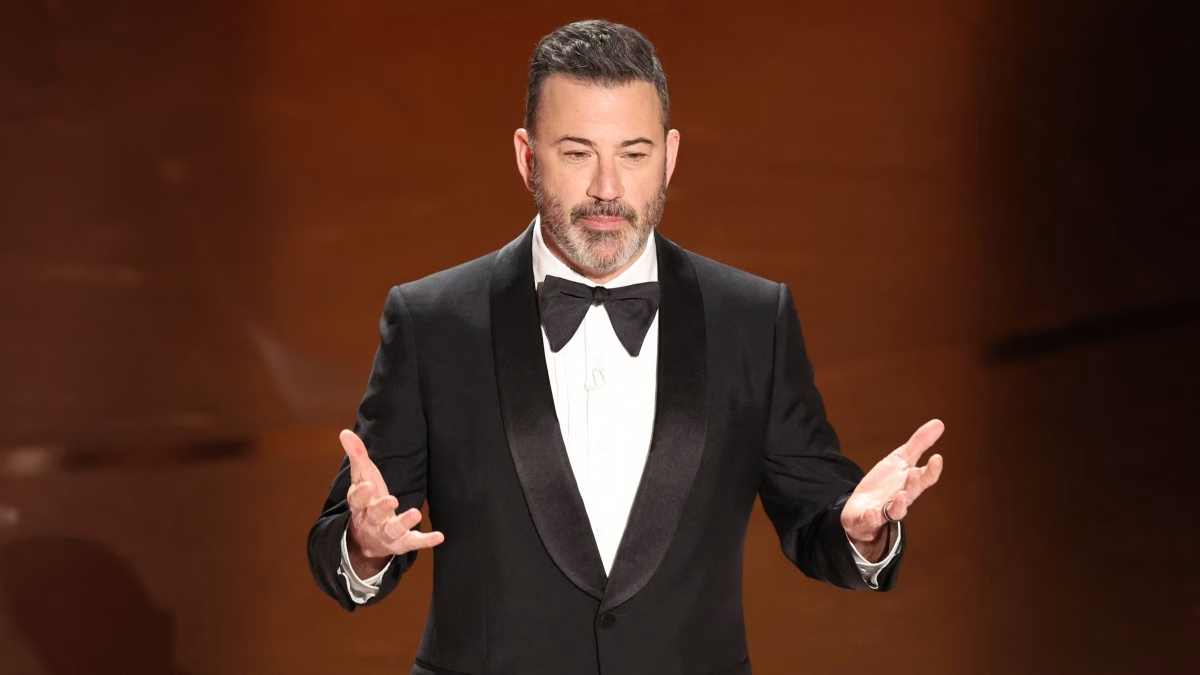
A week after Kirk’s death, Jimmy Kimmel was taken off the air by the ABC network due to a controversial comment regarding the matter. In one of his segments, Kimmel described the Right as “desperately trying to characterize this kid [Tyler Robinson] who murdered Charlie Kirk as anything other than one of them.” The remark received intense backlash, including words from President Donald Trump, and ABC soon announced it would take Kimmel’s show off the air “indefinitely.” ABC’s decision sparked a second wave of criticism and concern due to the potential violation of the First Amendment. The Federal Communications Commission (FCC), a government agency, had warned ABC that its license may be at risk due to Kimmel’s comments, though the Trump administration denied involvement.
The First Amendment guarantees that individuals are free to express their ideas and opinions without government censorship, with exceptions such as incitement to violence, direct threats, language that inflicts injury and more. These restrictions often become blurry, especially within a polarized political climate.
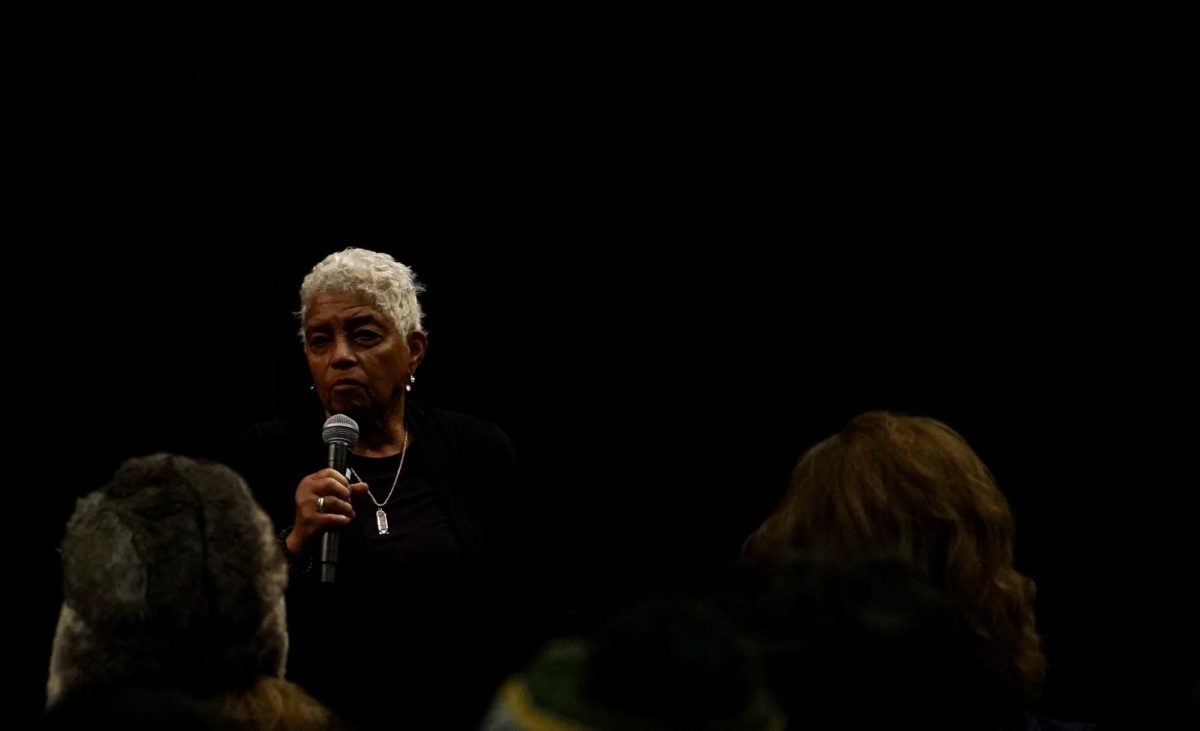
Additionally, the amendment does not protect individuals from the consequences imposed by private organizations. ABC, as a private company, was legally within its rights to suspend Kimmel. Yet many worry about the growing influence of government entities in determining which voices get heard and which get silenced. Paideia student Maddie Hall ’27 says, “It is really scary that you can be punished for your opinions.”
After 1.7 million Disney subscription cancellations and a four billion dollar drop in the company’s market value, ABC brought back Kimmel’s show on Sept. 23. Both Kimmel’s and Kirk’s cases highlight how the lines of what counts as Free Speech can be blurred depending on who is determining them.