











The conflict between Iran, Israel and America has impacted Americans in several aspects of life. One of the most notable impacts has been the rise in gas prices across the country. The strait of Hormuz, a crucial waterway responsible for 20 percent of the world’s oil and gas, has been shut down due to its proximity to Iran.
This conflict has caused doubt in the global energy markets and led traders to increase oil prices. This has also led to higher gas prices, skyrocketing to over four dollars in some places. In addition, electricity and heat bills have also risen.
Paideia students have expressed their frustration with the rising prices. Ellie Luscher ’27 says, “My tank is usually $15 for half and it was $25 the other day.” Gas is a crucial part of transportation and now that prices have been raised to extreme rates, people’s transportation situation may have to change.
The higher gas prices have added to the inflation in America. Since gas prices have risen, large corporations have raised prices in other industries like food, transportation and daily necessities. Additionally, the war has made the financial markets unstable. Investors worry about the future impacts of the war slowing down investment, reducing job opportunities and overall negatively affecting the economy.
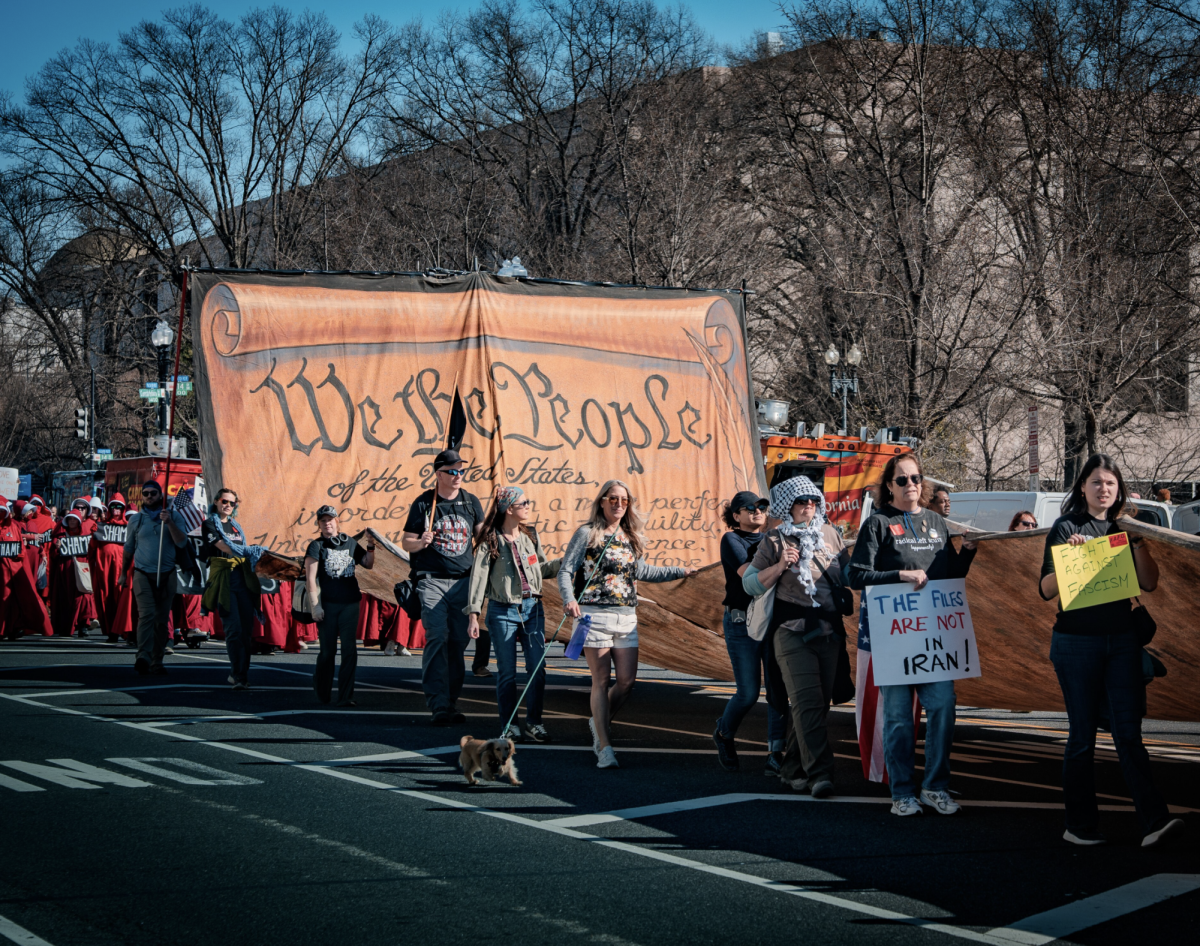
The war came as a shock to many people across the world, and many questioned the necessity of the United States’ involvement. Tensions have risen between the Trump administration and the American public as citizens debate the military motives of the administration. Many have wondered if President Trump has the legal authority to start a war without congressional approval. The conflict has caused many Americans to question the power that the executive branch truly has.