








Around the country, students are organizing walkouts protesting recent Immigration and Customs Enforcement (ICE) activity. In the Atlanta area, protests started with Lakeside High School on Jan. 20. Propelled by reports of new ICE detention centers opening in Georgia, over 1500 students participated. This success quickly inspired high schools around Georgia including Midtown, Decatur, and now Paideia.
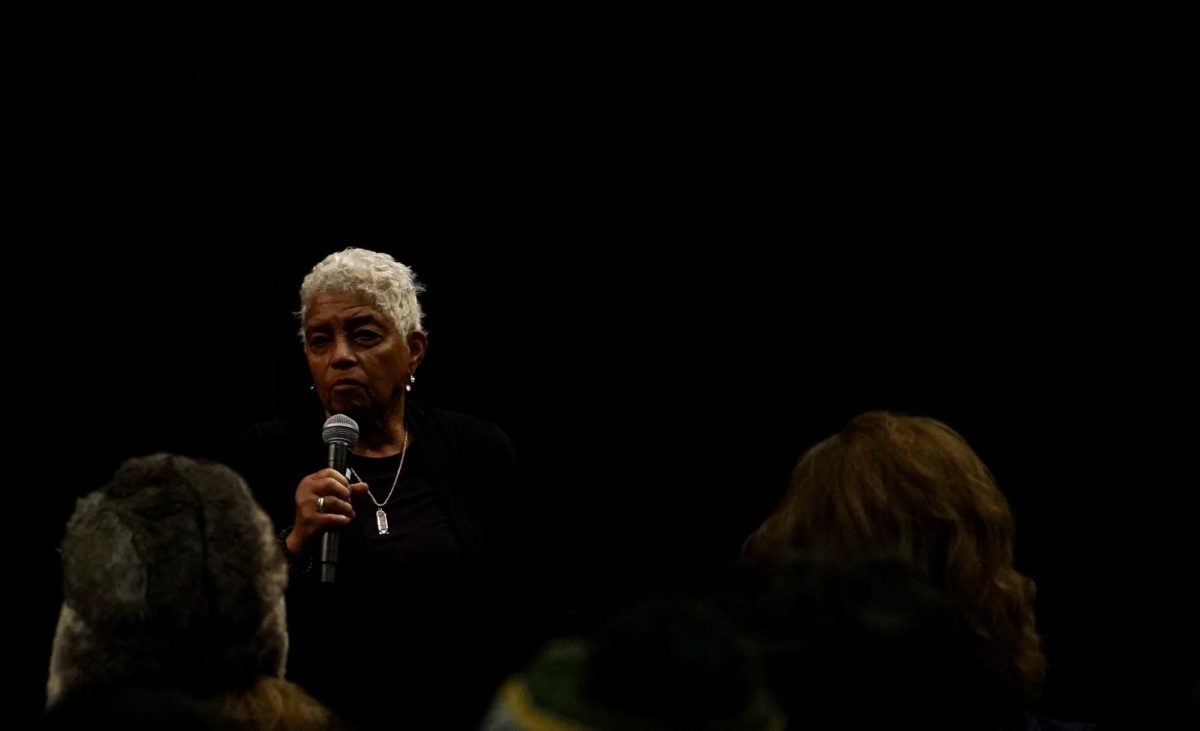
Student leaders Jeleana Moreno ’26 and Ian Cambas-Stocking ’26 planned Paideia’s protest and scheduled it for Feb. 9. Soon after, word spread through Paideia’s student body. When asked about why the protest was important to her, Moreno said, “I experience the effects of immigration policies every single day, and I honestly live in fear because of them. Having almost the whole student body support our cause was so meaningful to me that it even made me cry.”
When student organizers met with faculty, one of the biggest concerns was whether students should leave campus. Stacy Winston, principal of the high school, stated, “We’ve had meetings to organize what we would do if people come on campus, whether they are invited or not.” She shared that once students leave campus, it becomes much harder to ensure their safety, and, “We not only want to support you, we also want to keep you safe, which is our primary concern. Your health and safety is important to us.” Student leaders and faculty continued to disagree about whether the protest should leave Paideia’s campus up until the protest itself.
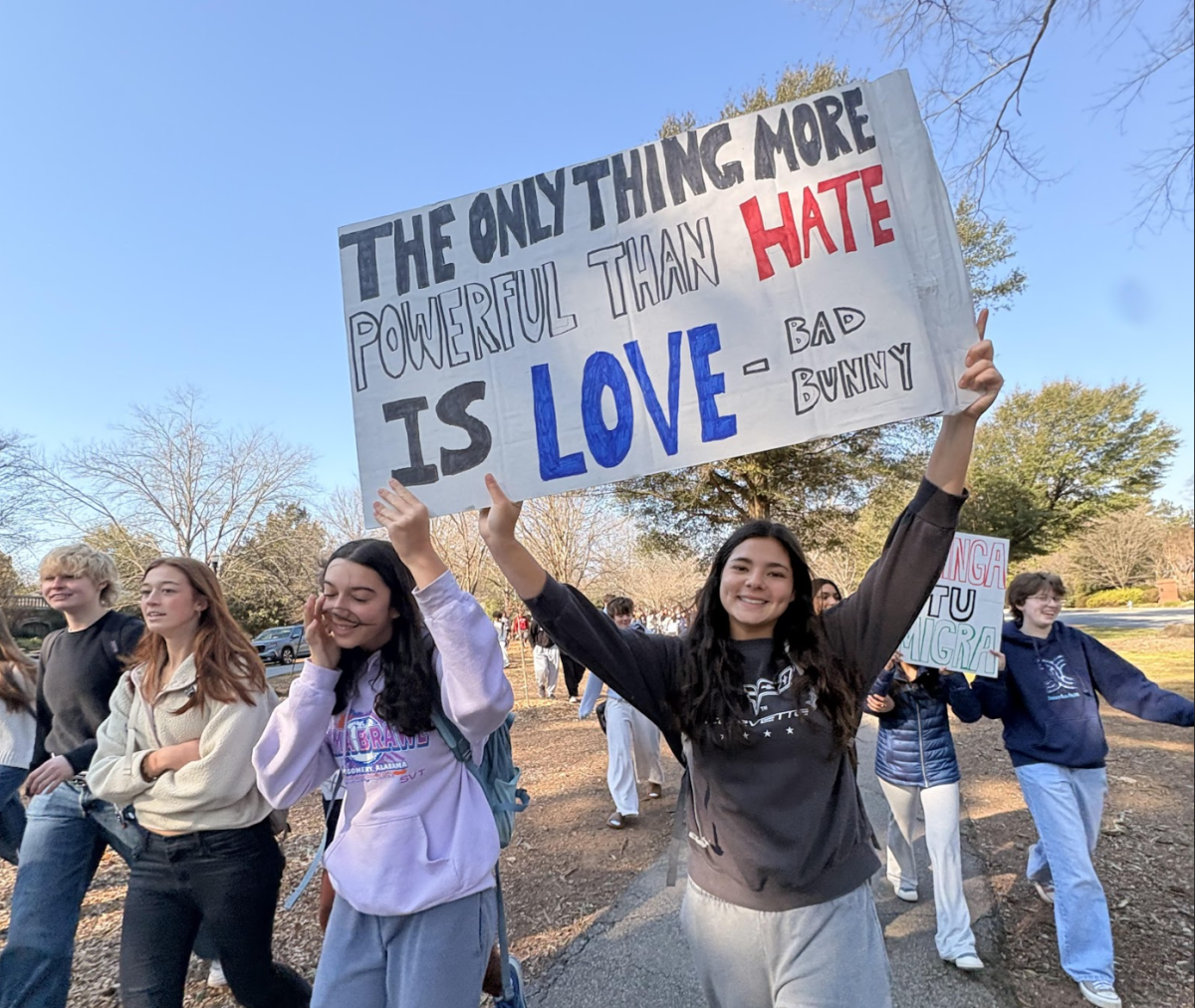
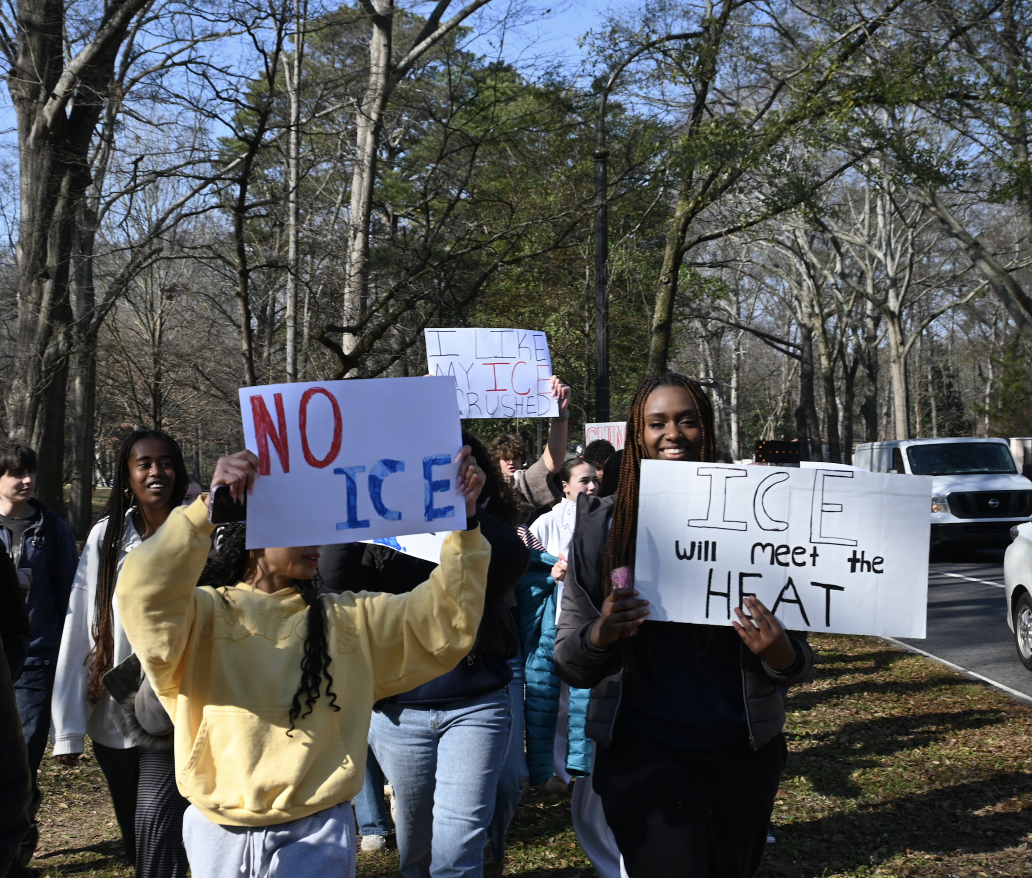
On Feb. 9, 450 Paideia high school students participated in a 7.2 mile walkout spanning over three hours. They left after the Monday Morning Meeting, which began with a reflection from Moreno and Cambas-Stocking emphasizing the injustice of ICE agents’ behavior and immigration policy. After the speech, students gathered in the green to start the protest. At first, the protest stayed on the green, but students quickly gathered on the sidewalk and started walking down Paideia’s campus. After officially leaving Paideia property, the walkout progressed down Ponce De Leon Ave, through Candler Park, and circled back to Paideia, where cars honked to show their support. The second part of the walkout was a walk down Oakdale to Emory Village.
The walkout sparked the media’s attention quickly and students noticed a helicopter hovering above their heads. Nadia Coffey ’29 was protesting on Oakdale with her peers when she looked up and saw the helicopter, she shared, “It felt good to know that our protest was reaching a wider audience than just the people who saw us walking down the street.”
After the walkout, questions surfaced within the students body of whether the protest was effective or merely performative. Andrew Castillejos ’26 stated, “I thought the walkout was very powerful. The fact that we got onto a news website made it clear to me that our message was spread and that we did have a positive impact in some way.” He then went on to share the less successful aspects of the protest, “However, I thought the walkout was poorly organized, poorly communicated, and honestly not even the right choice for a form of protest.” Sharing that he felt that having a protest at an “independent liberal private school” resulted in more of an inconvenience against faculty than an act of resistance against the government and ICE. During the Tuesday Morning Meeting on Feb. 17, Winston stated her worries, “When the mass of people left the school on Monday I was absolutely terrified because I don’t know what other people will do.” She referred back to Paideia’s ‘safety first’ policy and warned students against dangerous actions outside of Paideia’s property.
ICE walkouts continue to loom largely over social media and news sources. These displays of student motivation and community building are inspiring change, but doubt still exists about whether they are effective and safe as a method of protests.