





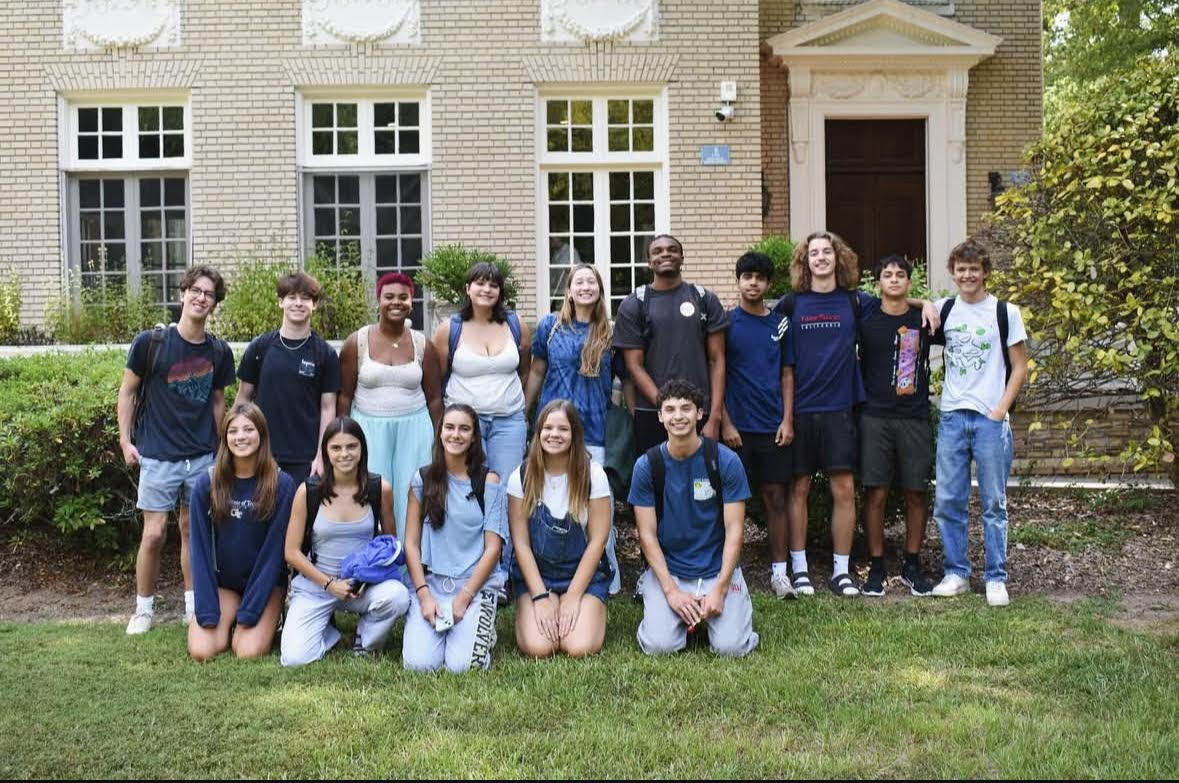

As Long Term A comes to an end, Paideia students are thinking about Short Term A. Unlike previous years, underclassmen can now choose to take Biology Sex Ed and Ethics in either Short Term A or B. “The goal of this change is to provide more flexibility, allowing students to hopefully be able to take the classes they are interested in,” says short term coordinator Joy Lewis-Mendez.
Although it is still early in the Short Term A decision process, Lewis-Mendez has some predictions as to what classes will be popular. “Historically, we have been adding over the years more and more First Aid Certification classes. We now have an Advanced First Aid, brand new this year is Lifeguarding First Aid and there’s also some students interested in adding Self Defense,” Lewis-Mendez explains.
Another popular Short Term class is a research class working in collaboration with Emory University. Many students are also interested in doing a Professional Immersions Apprenticeship, which is a hands-on course through which upperclassmen can explore potential career paths. In fact, this year there was not enough room to give everyone a spot in the apprenticeship class.
While browsing through the Short Term A Course Booklet, many students might have noticed an abundance of classes related to movies or TV shows. “We’re putting an emphasis on movie classes being in the academic category,” because as Lewis-Mendez emphasizes, “Short Term is still school.”
One of the most noticeable changes in this year’s Short Term is the creativity behind the new classes being offered. Teachers and students have introduced topics that go far beyond traditional subjects. From a class on horror movies to courses like Country Music, Refugee Resettlement and Philosophy and Dream Interpretation, the classes reflect a wide range of interests.
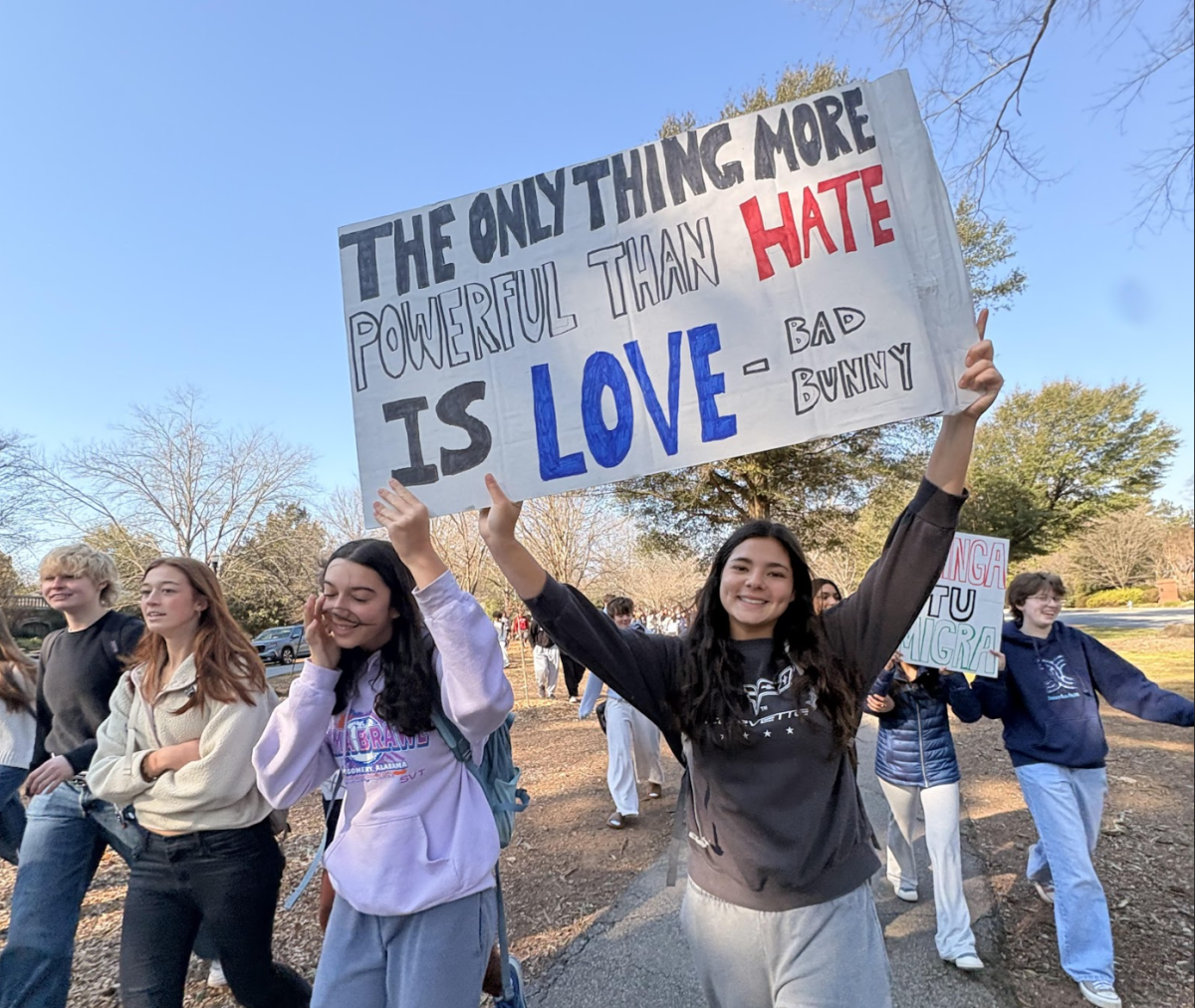
Student-taught classes, including one focused on anti-racism, also emphasize how much control students have in shaping Short Term. This growing variety shows how the program continues to evolve and encourages students to explore unique subjects they may not discover during the regular school year.