


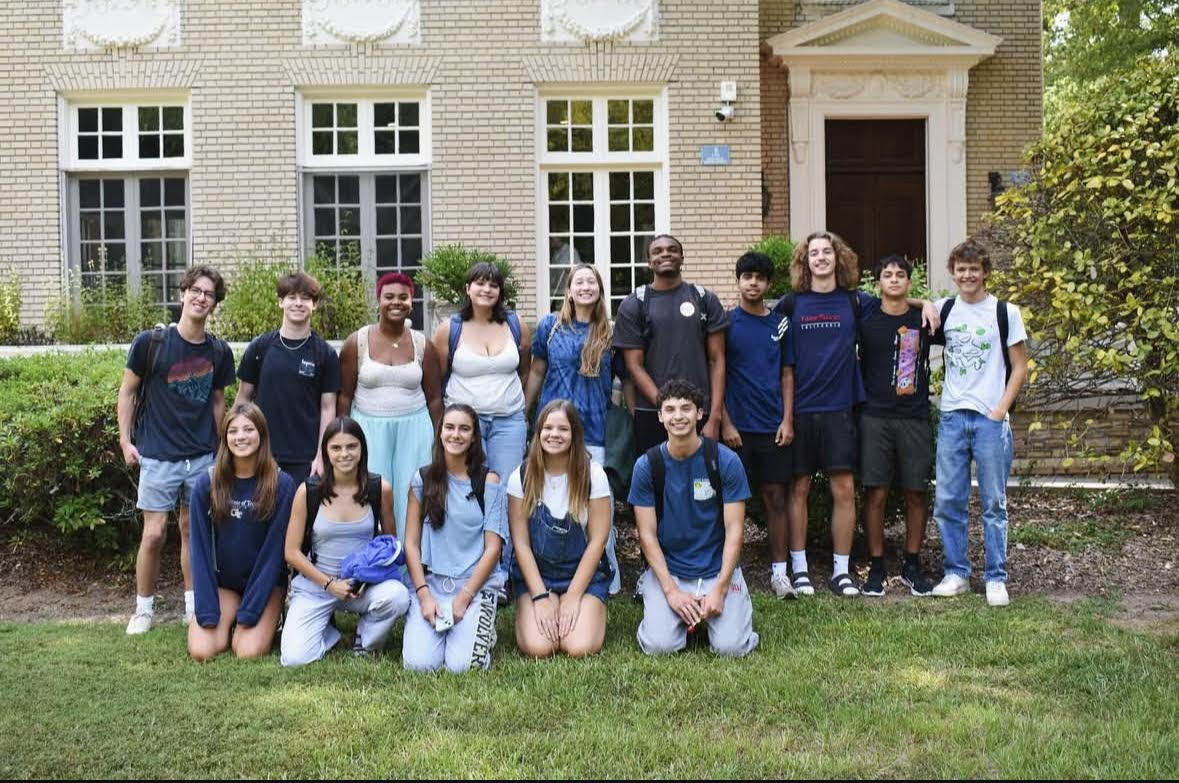


Paideia High School held its annual Day of Dialogue on Nov. 12, but this year was not like previous years. Traditionally facilitated and planned by the Student Leadership Diversity Initiative (SDLI), the day has historically centered on DEIB (Diversity, Equity, Inclusion, Belonging) through student-led workshops, panels, and discussions. This year, however, a late-stage administrative decision disrupted this status quo.
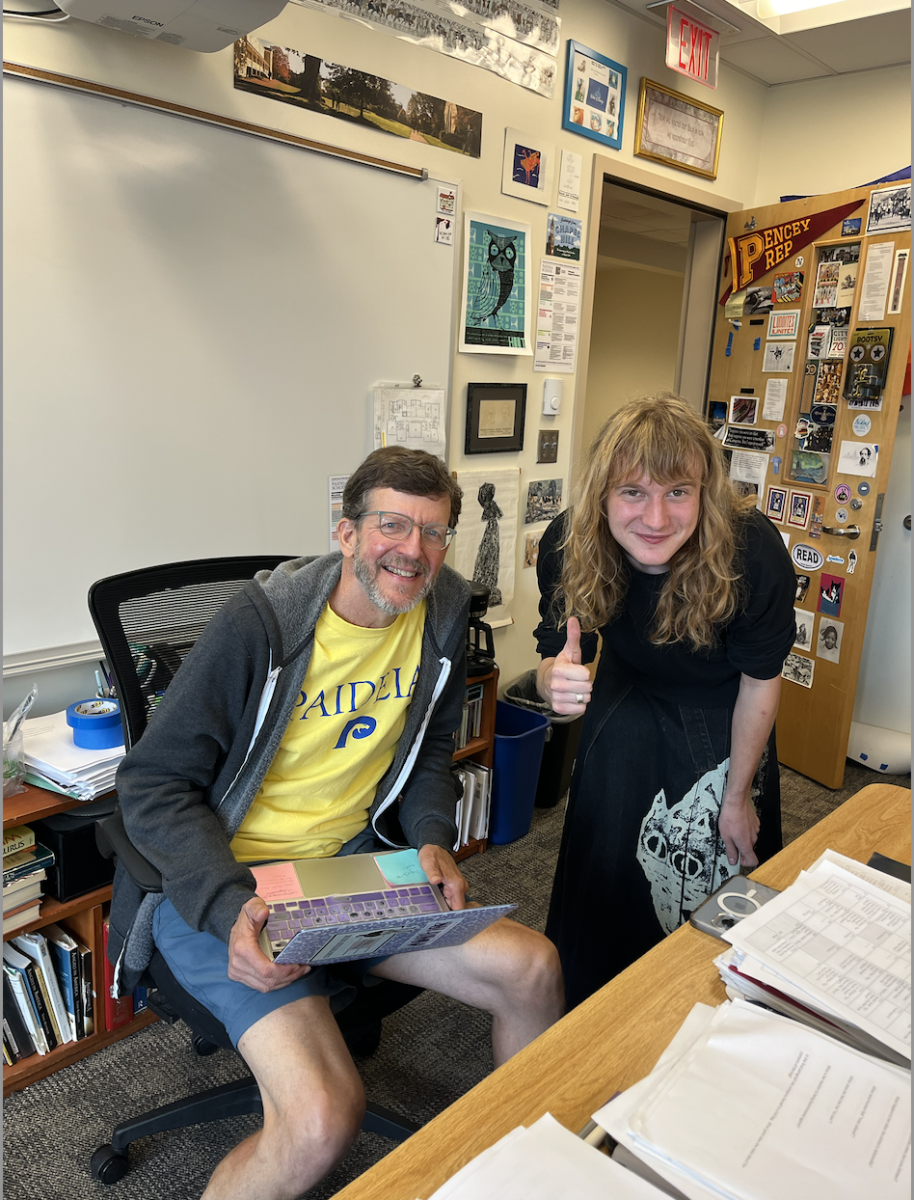
On Oct. 22, in the midst of finalizing plans for the day, members of the SDLI GroupMe received a message from Oman Frame, Director of DEIB, announcing changes to the already-approved structure.“After some reflection, we’ve decided to shift the focus of the Day of Dialogue,” the message said. Instead of multiple workshops, the administration planned a schedule focused on “identity development and community building.” SDLI would serve as facilitators rather than content creators, and their workshops would now take place throughout the school year instead of on Nov. 12.
According to leaders of SDLI, they had been planning the event since the spring, arranging five workshops, each designed with different formats—discussion-based, interactive, reflective—to maintain engagement and provide varied approaches to DEIB topics. SDLI intended to tie these workshops together with a unified opening and closing session, ensuring all students experienced the same curriculum.
On Oct. 8, Frame was worried. On his end, it looked like the workshop plans weren’t far enough along, considering that they had to be polished and vetted by Nov. 12. Frame also said that the tragedies in our community earlier this year “started the year off with a kind of morose cloud,” which he wanted to alleviate.
According to SDLI leaders, at the Oct. 8 meeting, “[Frame] expressed concern that we did not have the logistics of the day finalized or even in a working state, and that concerned him, and he said that that also concerned the administration,” said Daniel Rosenberg ’26. “My impression of the meeting was that he was saying, ‘From an administrative perspective, here’s what we need from you, here’s how we’re going to keep working together,’ and we were like, ‘Okay, we can definitely deliver on that.’”
The requested logistical details, assembled by Rosenberg, were sent to Frame on Oct. 21, the day before the change. According to SDLI leader Isabel Salehbhai ’26, “On Oct. 22, we had the students organized into groups, had chosen topics and had chosen the specific intersections that student groups wanted to focus on. Students had already planned their specific modalities (such as games and presentations) for their workshops as well. Honestly, we were ahead of the game compared to other years, which makes it really frustrating,”
“We were going to meet on Oct. 22, but they had senior bagels that day,” Frame said. Later that day, SDLI was informed of the change of plans. Frame said that if he could go back, he would return to Oct. 8, email SDLI asking for all the material they had and move forward. “If I had wanted to switch on the 8th, that would have given us a whole month to actually work through it, but I think that because that communication was not there, and I own my part in that, we got to the 21st, and then it kind of fell off the rails,” Frame said. “I own that I did not do what I could’ve done.”
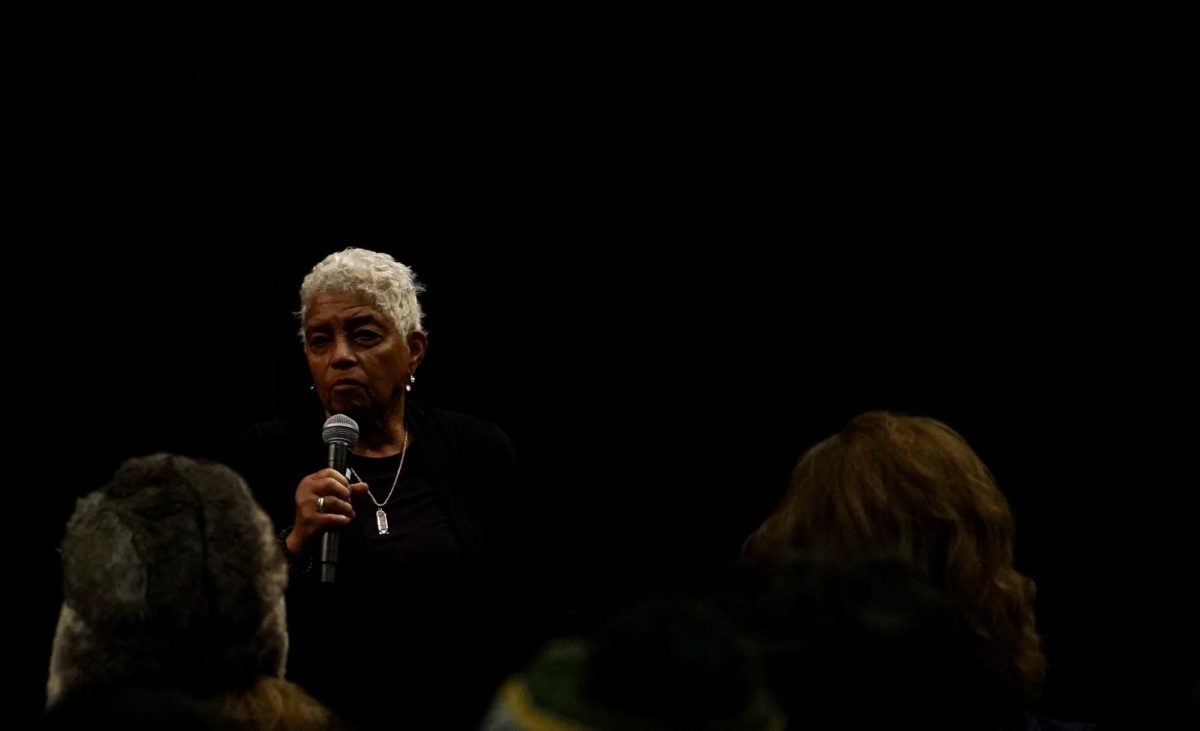
The revised Day of Dialogue began with two hour-long sessions: “community building through art,” a panel featuring artist Fahamu Pecou, cellist Okorie Johnson and alumna Raianna Brown ’13; and “community building through policy,” featuring former Atlanta Mayor Shirley Franklin and Berenice Rodriguez ’13, in which speakers adressed the student body. In the afternoon, students participated in team-building exercises in co-advisory groups for 10th-12th graders and in peer leadership groups for ninth graders.
Reactions to the restructured event varied, but many centered on the perceived shift away from DEIB-specific content and student leadership. While some past iterations of the day had been subject to criticism for organizational flaws, they consistently centered conversation around identity in race and equity. “Despite being disappointed by certain flaws and in the quality and organization of the day itself, I was always able to go into the day with a good mindset and tell myself that as long as I was open to it, I could get something out of it,” said Truman Boyanton ’26, “This past Wednesday, that was not the case.”
Other students cited specific gaps in content. “I would have loved to hear from the speakers, policy and art, how race has influenced their careers and lives,” said MC Huff ’26. “When race did not come up once, I felt uneasy, as though it was intentionally left from the conversation.”
According to a follow-up email SDLI sent to the student body on Nov. 12, they had received administrative approval for the workshop-based model before the change. SDLI leaders stated that, “for reasons not entirely clear,” their plans would no longer be used. In a separate message to administrators sent earlier that afternoon, SDLI expressed concern about the lack of student involvement in the new programming and wrote that they felt a responsibility “to speak out when our work is discarded.”
Since Nov. 12, the leaders of SDLI have met with Frame and administrators to discuss their concerns and begin work on next steps. Head of School Tom Taylor made a statement at Monday Morning Meeting on Dec. 8 affirming Paideia’s commitment to DEIB: “Paideia remains deeply committed to diversity, equity, inclusion and belonging. […] It factors into every admissions talk I give to prospective families, and it remains something that we are deeply committed to as a school. I wanted to make sure you all heard that directly from me.”